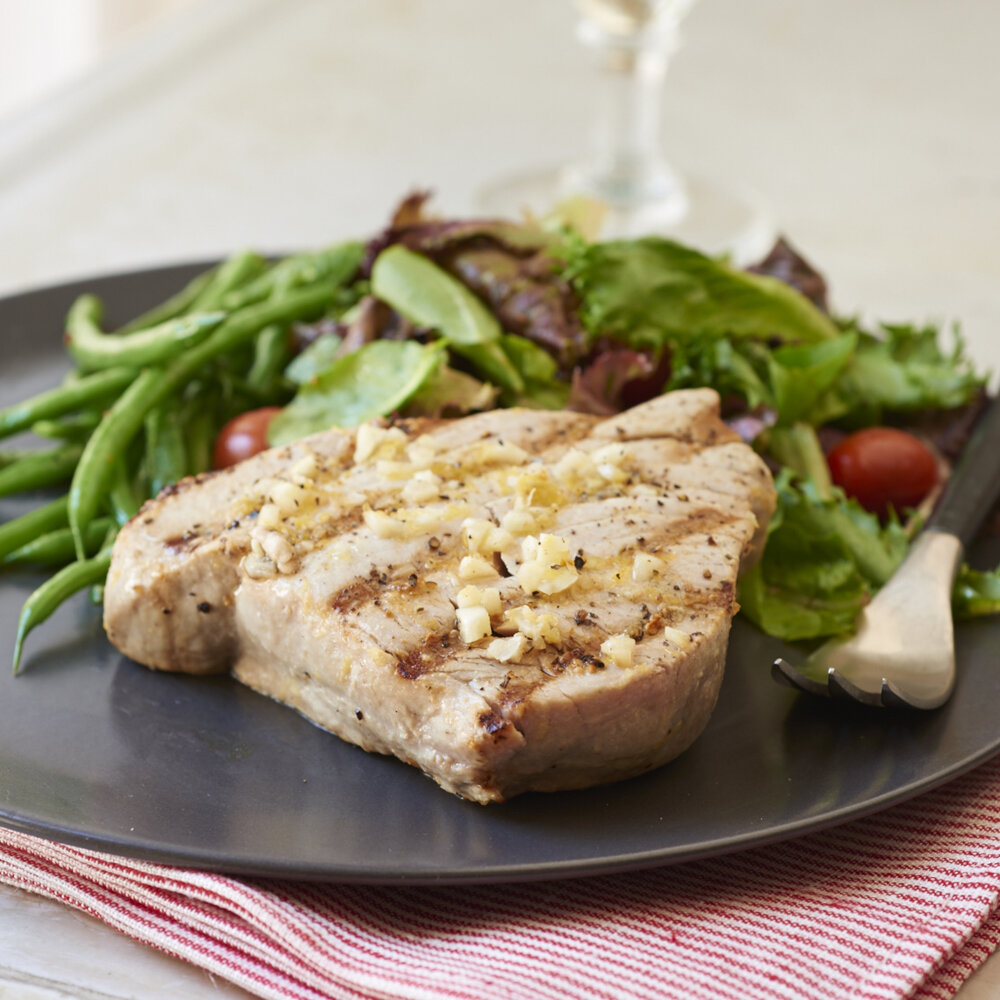
1. Cooking and Preparation
Cooking Techniques
When it comes to yellowfin tuna, your culinary creativity knows no bounds. Its firm texture and mild flavor make it a canvas for a variety of cooking techniques. Whether you’re a grilling enthusiast, a searing artist, a baking aficionado, or even a fan of enjoying it raw in sushi and sashimi, yellowfin tuna shines.
Flavor Profile
Prepare your taste buds for a treat! Yellowfin tuna boasts a gentle, slightly sweet taste that pairs harmoniously with a meaty and satisfying texture. Its versatility allows it to play well with both bold and subtle seasonings, making it a favorite among chefs and home cooks alike.
Nutritional Value
Beyond its delectable flavor, yellowfin tuna packs a nutritional punch. Rich in protein, it’s a muscle-building powerhouse. What’s more, its omega-3 fatty acids contribute to heart health, while vitamin D and selenium provide an extra boost of goodness.
Health Benefits
Embrace a healthier lifestyle with yellowfin tuna. Its omega-3 content supports heart health, lean protein aids in muscle growth and recovery, and selenium acts as a potent antioxidant, helping protect your cells from damage.
Serving Suggestions
Unleash your culinary imagination with yellowfin tuna. Sear it to perfection with a sesame crust, transform it into delightful bites for a poke bowl, or let it soak up the flavors of a zesty ceviche marinade.
Storage and Freshness
The key to preserving yellowfin tuna’s freshness is proper storage. Keep it in the coldest part of your fridge and consume it within 1-2 days of purchase for the best experience. While freezing is an option, be aware that it might slightly affect its texture.
Culinary Inspiration
Embark on a global gastronomic journey by experimenting with a spectrum of flavors. Infuse your yellowfin tuna creations with Asian-inspired marinades, Mediterranean herbs, or the fiery zest of Caribbean spices.
Cooking Tips and Tricks
Elevate your cooking game with these insider tips. Achieve the perfect sear by ensuring your pan is smoking hot before adding the tuna. For an ideal balance of texture and flavor, aim for a medium-rare to medium internal temperature.
2. Cultural and Culinary Context
Popular Dishes
Yellowfin tuna takes center stage in a plethora of mouthwatering dishes. Experience the Hawaiian delight of Ahi Poke, savor the elegance of Spanish Tuna Tartare, or indulge in the artistry of Japanese Tuna Tataki.
Comparison to Other Tuna Varieties
Among its tuna peers, yellowfin tuna stands out with its tender texture, making it a prime choice for raw culinary creations. Its intricate flavor profile also makes it a sought-after option for a diverse range of cooked dishes.
Cultural Significance
Across many coastal regions, yellowfin tuna holds cultural importance as a staple food source and a symbol of prosperity and abundance. Its presence on the table often carries a deeper connection to tradition and heritage.
3. Sustainability and Sourcing
Sustainability
Protecting the oceans and their inhabitants is vital. Look for sustainable options when purchasing yellowfin tuna. Labels like MSC (Marine Stewardship Council) signify responsible fishing practices that help preserve marine ecosystems.
Buying Tips
Make informed choices by opting for yellowfin tuna that has been line-caught or pole-caught. These methods are known for their lower bycatch rates and reduced impact on the environment.
Tuna Fishing and Processing
Yellowfin tuna is often caught using longlines, purse seines, or pole-and-line techniques. To retain its premium quality, the fish is usually flash-frozen at sea, preserving its flavor and texture.
4. Health and Allergen Information
Allergen Information
While yellowfin tuna is a source of high-quality protein and beneficial fats, it’s naturally gluten-free and poses a low allergen risk. However, if you have a seafood allergy, exercise caution and consult a healthcare professional before indulging in this delectable delight.